Bertie’s Pear Tree, or Is It?
13th August 2026
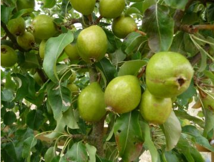
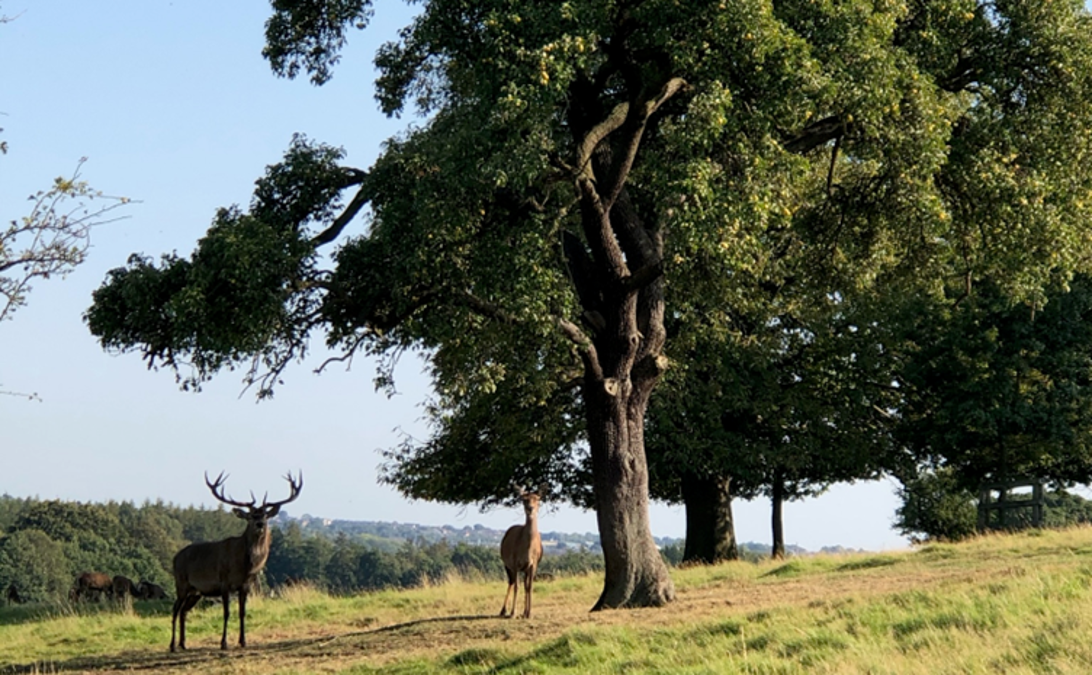
Visitors to Wentworth Castle Gardens may be familiar with Bertie, the impressive red deer stag who returns each autumn to feast beneath two old pear trees in the parkland.
Watching Bertie stand on his hind legs and shake the branches to bring down ripe pears is a remarkable sight, and one that leaves little doubt about who believes the fruit belongs to.
For years, however, one question remained unanswered: what variety of pear are these historic trees?
Determined to find out, volunteers John and Barbara Anstie worked alongside the Archive and Research Team to collect samples for DNA testing. Their first attempt was far from straightforward, with Bertie making it abundantly clear that visitors were not welcome near his favourite trees. Although samples were successfully collected, they were unfortunately lost during the disruption caused by the pandemic.
The mystery deepened as the Archive and Research Team explored historic letters written by the Vernon family, who once lived at Wentworth Castle. Several references were found to hampers of Tettenhall pears being sent to Mrs Duck, the household cook.
One particularly intriguing letter, written in 1813 by Henry Vernon while staying at the family’s estate near Wolverhampton, reads: “I have sent to Mrs Duck about the pears… they are brought here but too large to come in my Tilbury, shall send them to you by waggon.”
Could these historic references be connected to the very trees still standing in the parkland today?
The answer finally came this spring, when the Northern Fruit Group completed DNA analysis on fresh samples. The results confirmed that both trees are indeed the rare ‘Tettenhall Dick’ pear, a traditional variety once widely grown across the Black Country.
Even more remarkably, the Northern Fruit Group is unaware of any other Tettenhall Dick pear trees growing in the north of England, making the Wentworth Castle Gardens specimens especially significant.
Thanks to the dedication of volunteers and researchers, another fascinating piece of Wentworth’s horticultural history has been uncovered, ensuring these remarkable trees, and the stories they hold, can be celebrated for years to come.